



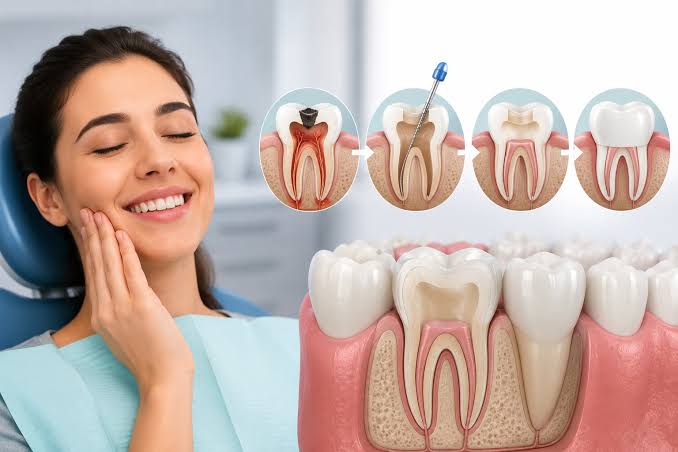
A natural tooth plays an important role in everyday life, helping you chew food comfortably, speak clearly, and maintain the natural appearance of your smile. However, tooth decay, cracks, dental injuries, or untreated infections can sometimes affect the soft tissue inside a tooth, known as the dental pulp. When the pulp becomes inflamed or infected, the problem may cause persistent toothache, sensitivity, swelling, or discomfort while eating. Ignoring these symptoms can allow the infection to progress and may put the affected tooth at risk. Seeking a dental examination at the right time can help identify the problem and determine whether root canal treatment is needed.
Root canal treatment is a dental procedure designed to remove infected or damaged pulp from inside a tooth, clean and disinfect the root canals, and seal the space to help prevent further infection. One of its main advantages is that it can help preserve your natural tooth rather than removing it. If you are experiencing tooth pain or have been advised to undergo treatment, consulting a qualified dentist can help you understand the available options. At Dr. Gurpreet Janda Dental Clinic, patients looking for Root Canal Treatment Mohali can seek professional dental guidance to understand their symptoms, treatment requirements, and the importance of timely care.
What Is Root Canal Treatment and How Does It Work?
Root canal treatment, also called endodontic treatment, is performed when the soft tissue inside a tooth becomes infected, inflamed, or irreversibly damaged. This tissue, known as dental pulp, contains nerves and blood vessels and extends from the centre of the tooth into its roots. Deep tooth decay, a crack, an injury, or repeated dental procedures can damage the pulp and allow bacteria to enter. When this happens, a dentist may recommend root canal treatment to remove the infected tissue and preserve the remaining natural tooth structure. The procedure involves cleaning and disinfecting the inner part of the tooth, filling the prepared root canal space, and sealing it to reduce the risk of reinfection.
One important thing to understand is that root canal treatment does not remove the entire tooth. Instead, it treats the infection inside the tooth while keeping the outer structure in place whenever the tooth is suitable for restoration. After the procedure, the dentist may recommend a suitable permanent filling or dental crown, depending on how much natural tooth structure remains and which tooth has been treated. This allows the treated tooth to continue supporting normal chewing and maintaining the alignment of neighbouring teeth. The exact treatment plan depends on the extent of damage, the tooth’s condition, and the dentist’s clinical assessment.
Why Early Root Canal Treatment Is Important
When a tooth develops an infection, the symptoms may initially appear manageable. You might experience occasional sensitivity, mild discomfort while chewing, or pain that comes and goes. However, these symptoms should not be ignored, especially if they continue or become more intense. An infection inside the tooth does not necessarily disappear on its own, and delaying dental care may allow it to spread into the tissues around the root. In some cases, an untreated infection can lead to an abscess, swelling, and damage to the surrounding supporting structures. Early examination helps a dentist identify the cause of the problem and decide whether root canal treatment or another dental procedure is appropriate.
Timely treatment can also improve the chances of preserving a tooth before the damage becomes too extensive. If the tooth has enough healthy structure and adequate support, root canal treatment may help retain it instead of removing it. However, not every damaged tooth can be saved through this procedure. A severely fractured tooth, extensive structural damage, or certain periodontal problems may affect whether restoration is possible. This is why visiting a dentist promptly is important: a proper examination and dental imaging, when needed, can help determine the most suitable approach.
Five Important Benefits of Early Root Canal Treatment
-
Helps preserve your natural tooth: Root canal treatment removes infected pulp while retaining the remaining tooth structure when the tooth is restorable.
-
Addresses the source of infection: Cleaning and disinfecting the root canal system helps remove infected tissue and reduce bacterial contamination.
-
Supports comfortable chewing: Restoring the treated tooth can help you continue using it for everyday biting and chewing.
-
Helps maintain your smile: Keeping a natural tooth can avoid an immediate gap in your smile caused by extraction.
-
May reduce the need for tooth replacement: When a tooth can be saved, you may avoid additional procedures associated with replacing an extracted tooth.
These benefits explain why dentists often consider root canal treatment when a tooth is infected but still suitable for restoration. The final recommendation should always be based on the individual condition of the tooth.
Common Signs That You May Need Root Canal Treatment
Recognising the early signs of dental infection can help you seek professional care before the problem becomes more complicated. One common symptom is persistent toothache, which may feel sharp, dull, or throbbing. Some people experience pain while biting or applying pressure to a particular tooth, while others notice discomfort that becomes more noticeable at night. Prolonged sensitivity to hot or cold foods and drinks can also indicate a dental problem, particularly when the discomfort continues even after the source of temperature has been removed.
Other warning signs include swelling around the gums, tenderness near the affected tooth, a small pimple-like swelling on the gum, or a change in the tooth’s colour. Sometimes, a tooth with damaged pulp may not cause severe pain at all. This is one reason why the absence of intense discomfort does not always mean that the tooth is healthy. A dental examination is necessary to identify whether the pulp is affected and whether treatment is required.
If you notice facial swelling, fever, or difficulty swallowing or breathing along with dental pain, seek urgent medical or dental attention. These symptoms should not be managed by waiting for a routine appointment.
What Causes a Tooth to Require Root Canal Treatment?
Tooth decay is one of the common reasons a dentist may recommend root canal treatment. When a cavity is left untreated, bacteria can gradually move through the enamel and dentin towards the dental pulp. A small cavity may initially be managed with a filling, but deeper decay can cause inflammation or infection inside the tooth. If the pulp becomes irreversibly damaged, simply placing a filling may not resolve the underlying problem.
Dental injuries are another possible cause. A fall, sports injury, accident, or sudden impact can damage the inner tissue of a tooth, sometimes without creating an obvious crack on the outside. Cracked or fractured teeth can also allow bacteria to enter and affect the pulp. In addition, repeated dental procedures or extensive restorations may contribute to pulp irritation or damage in certain cases. Whatever the cause, an early consultation can help a dentist assess the extent of the problem and explain whether root canal treatment is suitable.
How Does Root Canal Treatment Save Your Natural Tooth?
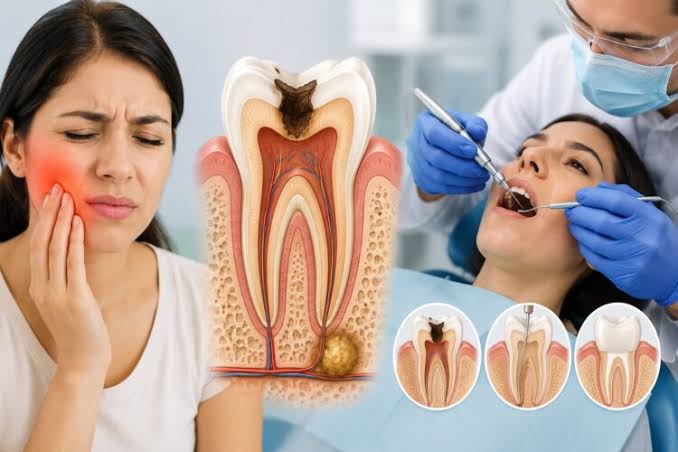
The main purpose of root canal treatment is to remove the infected or inflamed pulp while preserving the remaining tooth. During the procedure, the dentist accesses the inside of the tooth, removes the damaged tissue, and cleans and shapes the root canal spaces. The prepared canals are then filled with an appropriate material and sealed. This helps eliminate the infected tissue and reduces the chance of bacteria entering the cleaned space again. The tooth is subsequently restored with a filling or crown, depending on its structural condition.
Once the treatment and final restoration are completed, the tooth can continue to function even though its pulp has been removed. A fully developed tooth does not depend on the pulp to perform its everyday chewing function because it continues to receive support from the surrounding tissues. However, a root canal-treated tooth may require additional protection, particularly if a significant amount of its natural structure has been lost. Following the dentist’s advice about the final restoration and regular check-ups is therefore an important part of maintaining the treated tooth.
Is Root Canal Treatment Painful?
Fear of pain is one of the main reasons people delay dental treatment. Many patients associate root canal procedures with discomfort because they have heard negative stories or experienced toothache before visiting a dentist. However, modern root canal treatment is performed using local anaesthesia to numb the affected area. This helps patients remain comfortable during the procedure. Some tenderness or soreness may occur after treatment, especially if the tissues around the tooth were already inflamed, but the recovery experience varies from person to person.
People searching online for painless root canal Mohali should understand that comfort depends on several factors, including the severity of infection, the condition of the tooth, and the individual’s response to treatment. A dentist can explain the anaesthesia process, discuss any dental anxiety, and advise how discomfort can be managed. Although the term “painless” is commonly used when discussing modern dental care, no dentist should guarantee that every patient will experience absolutely no discomfort. The goal is to provide appropriate treatment while managing pain as effectively as possible.
Root Canal Treatment vs Tooth Extraction: Why Saving a Tooth Matters
When a tooth is severely infected, patients may wonder whether it is better to undergo root canal treatment or have the tooth extracted. Both procedures may be considered in certain situations, but they have different outcomes. Root canal treatment is intended to preserve the natural tooth by treating the infection inside it. Extraction removes the entire tooth, leaving a space that may need to be considered for replacement depending on the location of the missing tooth and the patient’s dental condition.
Keeping a natural tooth can help maintain the existing chewing arrangement and reduce the risk of neighbouring teeth shifting into an empty space. Tooth replacement options such as bridges or implants may involve additional appointments, planning, and costs. However, root canal treatment is not always possible, particularly when a tooth cannot be predictably restored. A dentist should explain the advantages, limitations, likely costs, and long-term considerations of each option before treatment begins.
Why Choose a Root Canal Dentist in Mohali?
Choosing a suitable dental professional is an important part of receiving appropriate treatment. If you are experiencing persistent tooth pain, sensitivity, or swelling, look for a dental clinic where your symptoms can be assessed carefully and the treatment options explained clearly. A consultation should include an evaluation of the affected tooth, its surrounding gums, and the possible cause of the discomfort. Dental X-rays may be recommended when necessary to assess the roots and surrounding bone.
When searching for a Root Canal Dentist in Mohali, patients should consider the dentist’s qualifications, clinical experience, approach to diagnosis, communication, and the suitability of the proposed treatment plan. It is also helpful to ask whether the tooth will need a crown or another permanent restoration after the root canal. Understanding the complete treatment process can help you make an informed decision rather than focusing only on the procedure itself.
What to Expect During Root Canal Treatment at a Dental Clinic
The treatment process generally begins with a consultation and examination. The dentist reviews your symptoms, checks the affected tooth, and may recommend imaging to understand the extent of infection. Once the need for treatment is established, the dentist explains the procedure, discusses anaesthesia, and plans the treatment according to the tooth’s condition. The number of visits can vary depending on the complexity of the root canal system, the presence of infection, and the treatment approach.
During the procedure, the tooth is numbed, and the dentist creates access to the pulp chamber. The infected or damaged pulp is removed, and the root canals are cleaned and shaped before being filled and sealed. In some cases, a temporary filling is placed before the permanent restoration is completed at a later appointment. After the root canal, the dentist evaluates how much tooth structure remains and advises whether a crown or another restoration is required. Following the recommended appointments is important because an incomplete restoration may leave the tooth vulnerable to further damage.
How to Care for Your Tooth After Root Canal Treatment
After root canal treatment, it is important to follow the instructions provided by your dentist. The treated tooth and surrounding tissues may feel tender for a short period, particularly when the original infection caused inflammation. Avoid chewing hard or sticky foods on the treated tooth until your dentist confirms that it is safe to do so and the recommended permanent restoration has been completed. If a temporary filling has been placed, take extra care not to put unnecessary pressure on that tooth.
Continue brushing twice daily with a fluoride toothpaste and cleaning between your teeth regularly. Good oral hygiene helps protect the treated tooth as well as the surrounding teeth and gums. Attend follow-up appointments so your dentist can assess healing and check the final restoration. If you develop increasing pain, swelling, a damaged temporary filling, or any other unexpected symptoms, contact your dental clinic rather than ignoring the problem. Root canal treatment can help preserve a tooth, but its long-term condition also depends on proper restoration and ongoing oral care.
How Dr. Gurpreet Janda Dental Clinic Can Help With Root Canal Treatment in Mohali
Tooth pain can affect eating, speaking, sleeping, and everyday comfort. Getting the problem examined early can help you understand whether the tooth needs a filling, root canal treatment, or another form of dental care. At Dr. Gurpreet Janda Dental Clinic, patients looking for a dentist in Mohali can seek guidance about dental concerns and appropriate treatment options. If you are experiencing persistent sensitivity, pain while chewing, or signs of a possible tooth infection, a professional dental assessment can help identify the cause and determine the next step.
Patients searching for a dental clinic Mohali should look for clear communication and a treatment plan based on their individual dental condition. Root canal treatment is one option that may help retain a natural tooth when the pulp is infected but the remaining structure can be restored. The dentist can explain the procedure, expected appointments, aftercare, and whether a crown or other restoration may be needed. Rather than delaying treatment because of fear or uncertainty, arrange a consultation to understand the condition of your tooth and the available choices.
FAQs
1. Why is early root canal treatment important?
Early dental evaluation can help identify infection before it causes further complications. If the tooth is suitable for restoration, root canal treatment may remove the infected pulp and help preserve the natural tooth. Delaying care can allow the infection to progress and may affect the surrounding tissues.
2. Can root canal treatment save my natural tooth?
Yes, root canal treatment is specifically designed to save a natural tooth when its pulp is infected or damaged but the remaining tooth structure can be restored. The dentist must examine the tooth to determine whether it is suitable for this procedure.
3. Is root canal treatment painful?
Local anaesthesia is generally used to numb the affected area during treatment. You may experience some tenderness after the procedure, but discomfort varies between patients. Your dentist can explain how pain and anxiety will be managed during your treatment.
4. How many appointments are required for root canal treatment?
The number of appointments depends on the tooth, the complexity of its root canals, the extent of infection, and the dentist’s treatment plan. Some cases may require one appointment, while others need two or more visits.
5. Do I need a crown after root canal treatment?
Not every treated tooth requires the same type of restoration. A crown may be recommended when the tooth has lost considerable structure or needs additional protection against fracture. Your dentist will assess the tooth and recommend an appropriate restoration.
Conclusion
Early root canal treatment can play an important role in preserving your natural tooth when the dental pulp becomes infected or irreversibly damaged. By removing the affected tissue, cleaning the root canal system, and sealing the tooth, the procedure can help address infection while retaining the remaining natural structure. Seeking timely dental care may also help prevent the problem from becoming more complicated and reduce the risk of losing a tooth that could otherwise be restored.
If you are experiencing toothache, prolonged sensitivity, swelling, or discomfort while chewing, do not ignore the symptoms. Consult a qualified dentist to understand the cause and available treatment options. Dr. Gurpreet Janda Dental Clinic can be a point of contact for patients searching for Root Canal Treatment Mohali, a Root Canal Dentist in Mohali, or a dentist in Mohali. A timely dental consultation can help you make an informed decision about protecting your oral health and maintaining your natural smile.